Cutting Unit
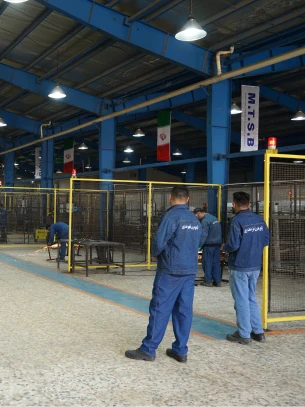
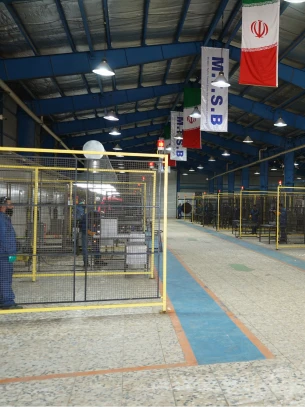
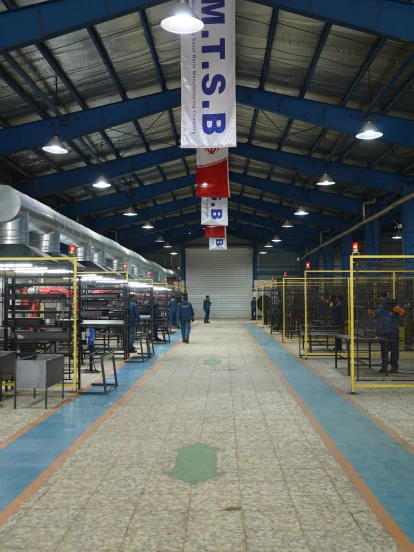
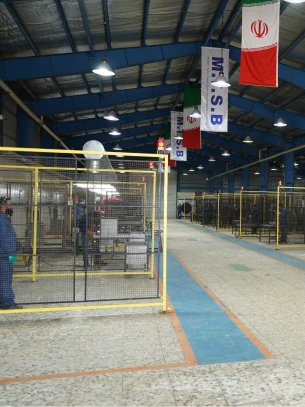
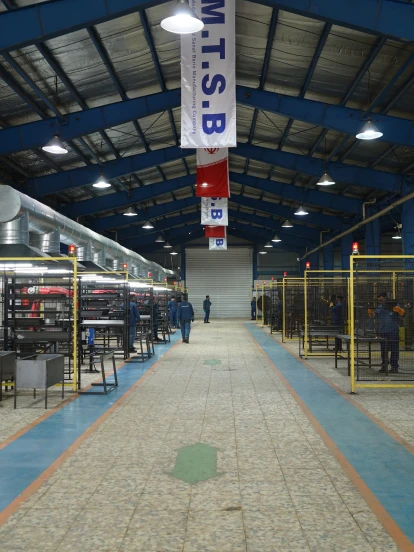
The Cutting Unit plays a fundamental and primary role in preparing metal and wooden components for subsequent production stages, with the precision of this unit directly affecting the final product quality. In this section, parts are cut according to technical drawings using precise and standardized machines before being transferred to the welding, assembly, and shaping units. Coordination between operators, equipment, and measurement standards ensures that the output is accurate, uniform, and free from excess tolerances.
Equipment and Processes in the Cutting Unit
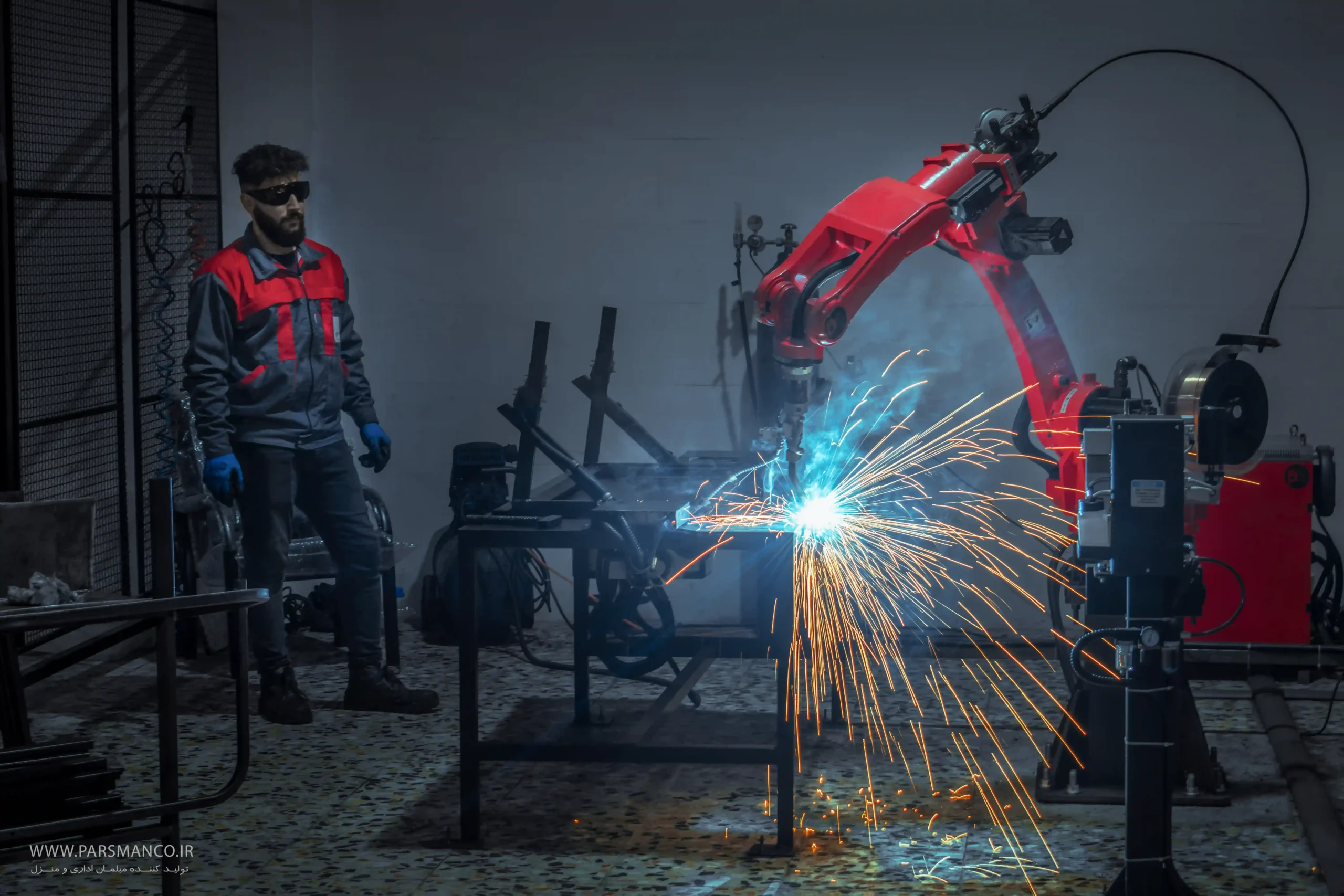
In this unit, cutting operations are performed using machines such as electric shears, band saws, CNC cutters, lasers, or plasma cutters, precisely following the design specifications. The operator’s skill and machine settings play a critical role, as even minor cutting errors can cause problems in subsequent welding or assembly stages. For each project, the material type, thickness, and part dimensions are assessed before cutting, and the most suitable cutting method is selected. Dimensional checks after cutting help identify and correct potential errors immediately, ensuring that standard, defect-free parts move to the next unit. Modern equipment increases production speed while minimizing cutting tolerances.
Importance of Precision and Quality Control in Cutting
High-quality cutting directly impacts structural strength, aesthetic appearance, and final assembly efficiency, making the Cutting Unit highly responsible. Routine processes include dimensional verification, inspection of cut surfaces, deburring, and ensuring uniform edges to maintain quality standards. Accurate cutting prevents rework, material waste, and project delays, ultimately reducing production costs. After measurement, parts are labeled and prepared for the next production stage to ensure a smooth workflow. Continuous quality control in this unit guarantees that the final product meets dimensional accuracy and construction standards, making it reliable and high-quality.